
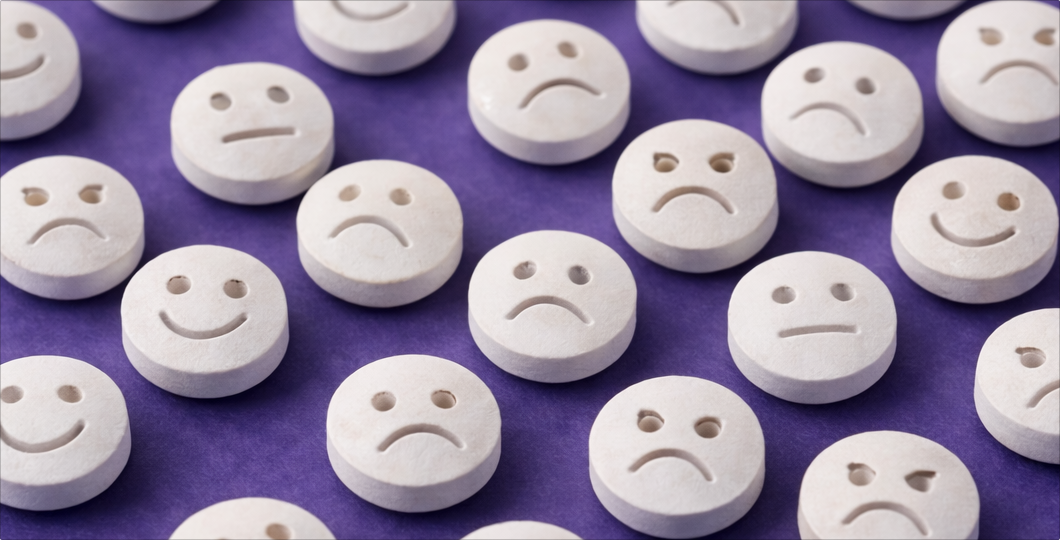
Selective serotonin reuptake inhibitors (SSRIs) are among the most commonly prescribed medications for depression, anxiety, PTSD, and other mood disorders. They can be highly effective at stabilizing mood and reducing distress. But for many men, including veterans, these medications can also have sexual side effects, including reduced libido, difficulties with arousal, and erectile dysfunction (ED).
Understanding how SSRIs affect sexual performance helps veterans and their partners separate treatment effects from relationship or identity concerns.
Why SSRIs can affect erections
SSRIs work by increasing levels of serotonin in the brain, which can improve mood and reduce anxiety. But serotonin also interacts with other neurotransmitters like dopamine and norepinephrine that are key for sexual arousal and erections. When serotonin levels are elevated, these other pathways can be suppressed, leading to sexual side effects.
Sexual side effects of SSRIs can include:
- Erectile difficulties
- Reduced libido
- Delayed orgasm or difficulty reaching orgasm
- General reduction in sexual satisfaction
“Improved mood doesn’t always translate to improved sexual response—but there are ways to address both together.”
It’s important to note that mood disorders themselves (depression and anxiety) can also impair sexual function independently of medication. In other words, ED that emerges after starting SSRIs may be due to the drug, the condition being treated, or a combination of both.
How common are sexual side effects?
Studies suggest that sexual dysfunction is a frequent effect of SSRI treatment. Open-access research indicates that antidepressant treatment is associated with a high prevalence of sexual side effects in outpatients, with significant overlap across medication types.
Sexual dysfunction is one of the most frequently reported side effects of SSRI treatment, affecting a substantial proportion of patients. Many cases go unreported unless clinicians ask directly.
When sexual side effects persist
In rare cases, symptoms of sexual dysfunction—including ED—may continue even after stopping an SSRI. This condition is sometimes referred to as post-SSRI sexual dysfunction (PSSD). While not fully understood, PSSD is increasingly discussed in clinical and patient communities as a distinct phenomenon with potentially long-lasting effects.
This does not mean that everyone will experience persistent effects, but it underscores the importance of recognizing side effects early and adjusting treatment in collaboration with a healthcare provider.


What veterans can discuss with their healthcare provider
Managing antidepressant-related sexual side effects often involves dose adjustments, medication changes, or adding supportive strategies rather than stopping treatment abruptly. Veterans who notice sexual side effects after starting or adjusting an SSRI can bring this up with their prescriber.
Topics that often come up in clinical discussions include:
- Whether side effects align with the start or change of medication
- Potential dose adjustments
- Switching to alternative antidepressants with lower sexual side effect profiles
- Adding a medication that may counteract sexual side effects (under supervision)
- Non-drug approaches to reduce performance pressure and support arousal
SSRIs such as paroxetine and others have well-documented associations with sexual side effects, which patients and clinicians often weigh against therapeutic benefits.
Supporting intimacy while mood treatment continues
For many veterans and their partners, navigating sexual side effects isn’t about stopping necessary treatment—it’s about creating a supportive context where intimacy doesn’t feel like a test.
Options that couples often explore alongside medication management include:
- Open communication about expectations and pressure
- Counseling or sex therapy
- Stress reduction and sleep improvement
- Non-drug mechanical supports to help erections in the moment and reduce performance anxiety
These approaches don’t replace prescribed care but can improve quality of life during treatment adjustment.

The Takeaway
SSRIs are an important tool for managing depression, anxiety, and related conditions commonly experienced by veterans. Sexual side effects including ED are common and can be confusing, but they’re a known part of how these medications interact with the nervous system.
Open communication with healthcare providers, partners, and a thoughtful approach to treatment can help balance mental health and sexual health—without shame or guesswork.