
Author: SAS Staff – 3 min read
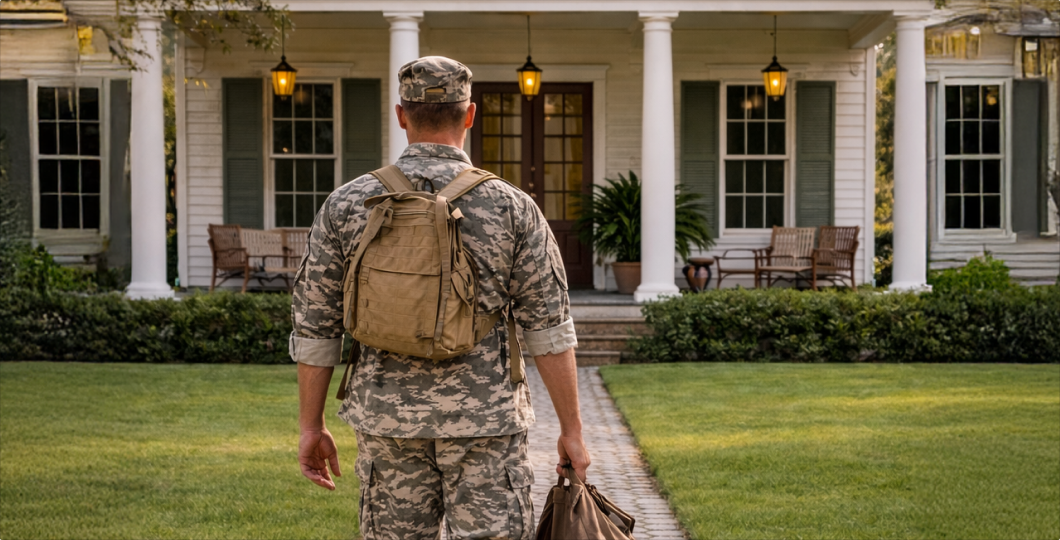
Deployment and active duty don’t just create physical distance. They change routines, nervous systems, expectations, and often the way partners relate to each other.
When service members return home—or transition out of active duty—many couples expect connection to snap back into place. But for a lot of relationships, intimacy feels unfamiliar, strained, or quietly missing. That doesn’t mean something is broken. It means the relationship has entered a new phase that needs attention.
For some couples, erectile dysfunction (ED), lowered desire, or emotional distance become the first visible signs that reintegration is harder than expected. Understanding why this happens is the first step toward reconnecting.
Why reintegration can feel harder than deployment
During deployment or active duty, both partners adapt in parallel—but separately. One partner learns to operate in high-alert environments. The other learns to manage life independently. Those adaptations don’t automatically reverse.
Research shows that post-deployment adjustment is associated with changes in emotional closeness, communication patterns, and sexual intimacy, even in otherwise stable relationships.
“Reintegration isn’t a return to how things were—it’s learning how to connect in a new normal.”
The challenge is not a lack of love. It’s that both partners may be operating with different expectations, stress responses, and emotional bandwidth.
How stress and hypervigilance affect intimacy
Military service often trains the nervous system to stay alert. That response can linger long after service ends.
Chronic activation of the stress response affects sleep, hormone regulation, emotional availability, and sexual arousal. Elevated cortisol and sympathetic nervous system activity can interfere with erections, desire, and the ability to relax into intimacy.
Even in safe, loving relationships, the body may not fully register that it’s okay to “stand down.”
For partners, this can be confusing or painful. For service members, it can feel frustrating or shame-inducing—especially when ED enters the picture.
When ED becomes part of the conversation
ED after deployment or during active duty is more common than many couples realize. It can be influenced by:
- Stress and nervous system dysregulation
- Sleep disruption or sleep apnea
- PTSD or trauma-related symptoms
- Medication side effects
- Cardiovascular or metabolic changes
“ED is rarely about desire—it’s often about stress, sleep, or the nervous system still being on guard.”
Studies show that men with trauma exposure or chronic stress are at higher risk for erectile difficulties, even when physical health appears otherwise normal.
Importantly, ED is not a reflection of attraction, commitment, or masculinity. It’s often a signal that the body needs support.



Why avoiding intimacy can widen the gap
When intimacy feels awkward or unreliable, many couples unintentionally avoid it altogether. That avoidance is understandable—but it often reinforces distance.
Avoidance increases anxiety, reduces confidence, and makes physical closeness feel more loaded over time. Research on sexual avoidance shows that it can intensify performance pressure and reduce relationship satisfaction if left unaddressed.
Reconnection doesn’t require jumping back into sex. It often starts with rebuilding safety, predictability, and low-pressure closeness.
Relearning closeness after time apart
Reconnection is usually built through small, consistent moments rather than big conversations or dramatic gestures.
Helpful starting points include:
- Non-sexual touch (hugging, holding hands, sitting close)
- Shared routines (walks, meals, low-stakes time together)
- Clear communication about energy, stress, and expectations
Couples who normalize gradual reconnection report higher relationship satisfaction and less pressure around sex.
This approach is especially important when ED is present. Reducing pressure often improves physical response over time.
When to seek support together
If intimacy struggles persist, involving a professional can help take pressure off the relationship itself.
Couples therapy, sex therapy, or trauma-informed counseling can support:
- Communication around intimacy changes
- Nervous system regulation
- Rebuilding trust and emotional safety
- Navigating ED without blame or avoidance
Research consistently shows that couples who seek support early—rather than waiting until frustration peaks—have better outcomes.

The Takeaway
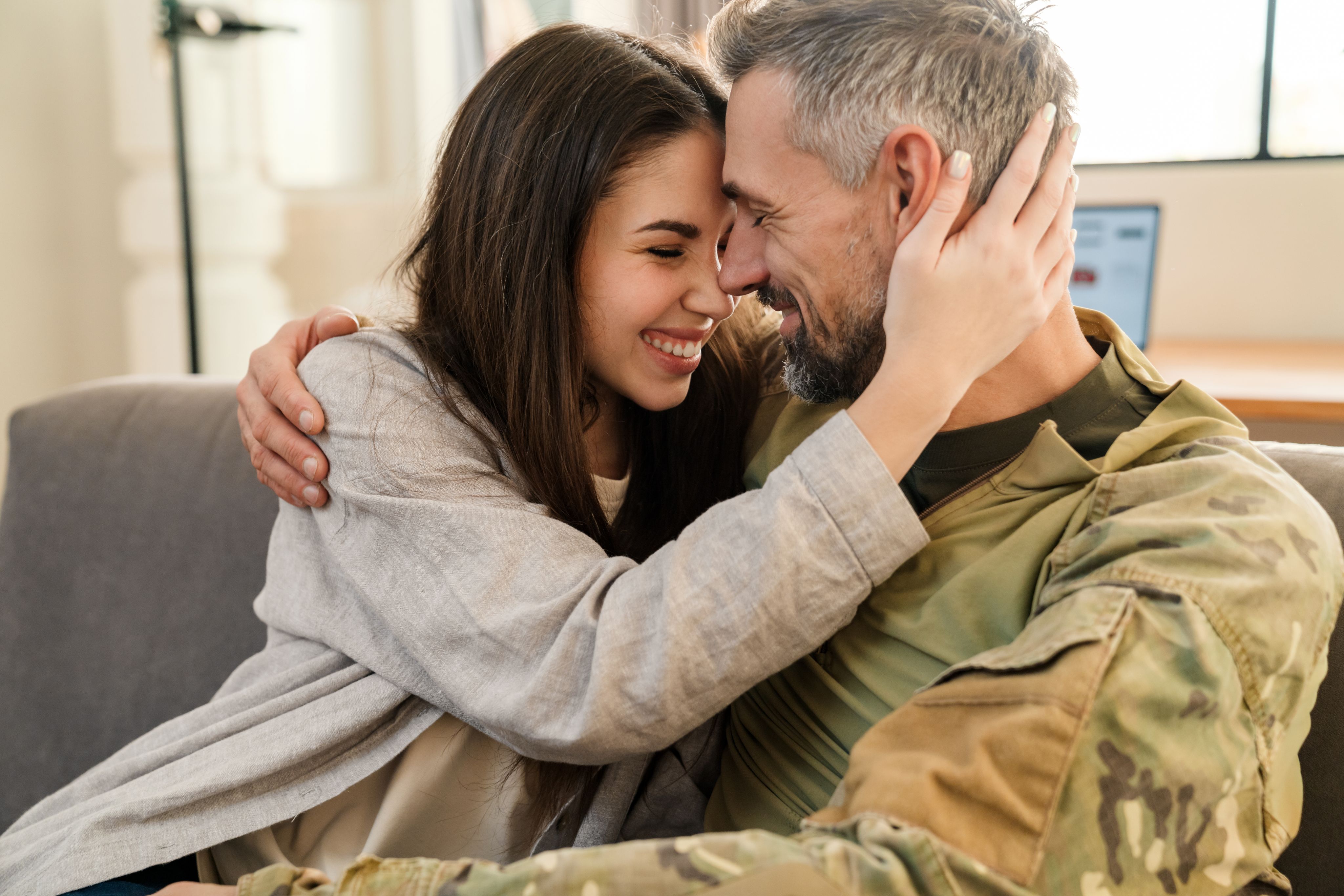
Reconnecting after deployment or active duty isn’t about going backward. It’s about learning how to meet each other where you are now.
Intimacy changes when stress, trauma, sleep disruption, or ED enter the picture—but those changes don’t mean the relationship is failing. They mean the body and the partnership need care, patience, and support.
Connection can be rebuilt. Often, it starts by slowing down, lowering pressure, and choosing to face the changes together.