
Author: Seth Thomas – 3 min read
For many service members and veterans, managing ED means reducing side effects, avoiding drug interactions, and supporting recovery—not just taking another prescription.
Erectile dysfunction (ED) is often treated with medication, but pills aren’t the right answer for everyone. For active duty service members and veterans, non-drug options are especially relevant.
Some can’t take ED medications due to heart conditions or medication interactions. Others prefer to avoid adding another prescription to an already long list. And for many, ED is tied to stress, trauma, sleep disruption, or recovery—factors medications alone don’t fully address.
The good news is that effective, evidence-supported, non-drug approaches exist. Understanding these options can help veterans manage ED in ways that fit their bodies, lifestyles, and long-term health.
“For many veterans, managing ED means supporting recovery—not adding pressure.”
Why non-drug approaches matter for veterans
Veterans are more likely than the general population to live with:
- PTSD or chronic stress
- Sleep disorders
- Chronic pain
- Cardiovascular risk factors
- Long-term medication use
Each of these can contribute to ED—and each can limit medication options.
Non-drug strategies often focus on restoring blood flow, reducing nervous system overactivation, and improving predictability rather than forcing an erection chemically.

Mechanical support and wearable options
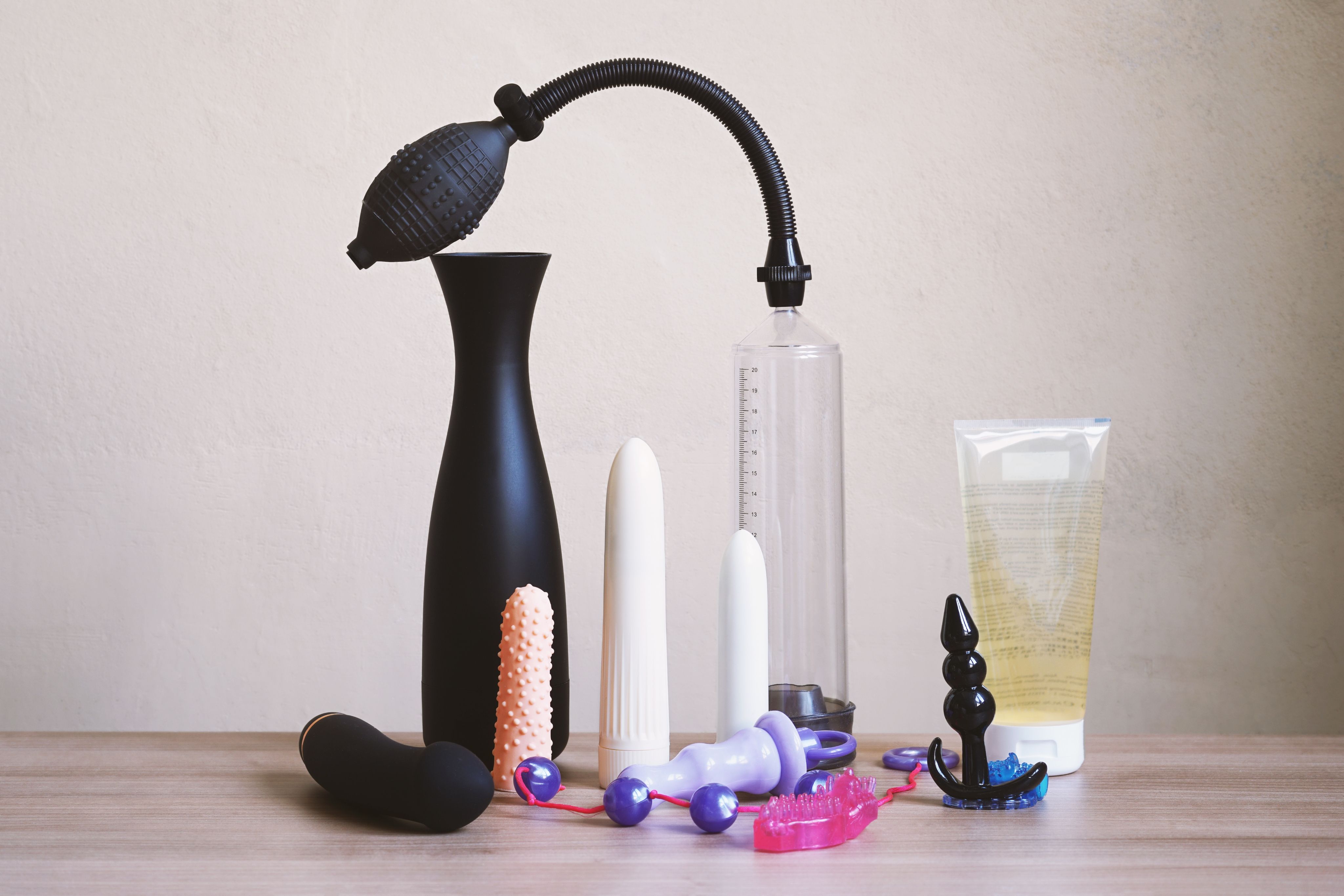
Mechanical devices support erections by addressing blood flow and retention rather than altering chemistry.
Vacuum erection devices (VEDs)
VEDs use negative pressure to draw blood into the penis, followed by a constriction band to maintain firmness. They’re effective for many men and commonly used within VA care systems.
However, some men find them cumbersome, interruptive, or uncomfortable during intimacy.
Wearable support devices
Wearable devices are designed to be used discreetly during intimacy to help maintain erections once arousal occurs. They don’t stimulate blood flow directly but provide structural support that improves reliability.
From a clinical perspective, wearables may be useful:
- When medication isn’t tolerated
- As an adjunct to other treatments
- When anxiety or unpredictability is the primary issue
Because this category is newer, clinicians emphasize realistic expectations and proper use rather than viewing wearables as a standalone cure.
Pelvic floor physical therapy
Pelvic floor muscles play a key role in erectile rigidity and endurance. Weakness or dysfunction in these muscles is associated with ED.
Pelvic floor physical therapy has been shown to improve erectile function, particularly in men with vascular or post-surgical ED.
This approach is noninvasive and can also help with urinary control and core stability.
Exercise and cardiovascular conditioning
Erections depend on healthy blood vessels. Aerobic exercise improves endothelial function, nitric oxide availability, and overall circulation.
Studies consistently show that regular physical activity improves erectile function, particularly in men with cardiovascular risk factors.
For veterans, exercise also supports mental health, sleep quality, and stress regulation—factors closely tied to sexual performance.
Stress regulation and nervous system support
Many veterans experience ED rooted in nervous system dysregulation rather than structural damage.
Hypervigilance, anxiety, and poor sleep keep the body in a fight-or-flight state that interferes with arousal. Techniques that support parasympathetic activation can improve sexual response.
These include:
- Cognitive behavioral therapy (CBT)
- Trauma-informed therapy
- Mindfulness-based stress reduction
- Breathing and relaxation practices
The VA recognizes psychotherapy as a core component of managing PTSD-related sexual dysfunction.
Pull quote: “When the nervous system feels safer, sexual response often follows.”
Sleep and recovery
Sleep is one of the most overlooked contributors to ED. Testosterone production, vascular repair, and nervous system regulation all occur during deep sleep. Veterans experience higher rates of insomnia and sleep disruption, particularly when PTSD is present, and these sleep problems are closely linked to erectile difficulties.
Obstructive sleep apnea is also strongly associated with ED, likely due to repeated drops in oxygen levels and vascular stress. Improving sleep quality alone can significantly improve erectile reliability—sometimes without additional intervention.
Relationship and communication support
ED doesn’t occur in isolation. Relationship strain, avoidance, and performance pressure often make symptoms worse.
Couples who communicate openly about ED report less distress and better sexual satisfaction, even when physical symptoms persist.
Non-drug approaches often work best when partners are involved and expectations are aligned.

The Takeaway
For active duty service members and veterans, managing ED often means taking a broader view of health.
Non-drug options—ranging from mechanical support and physical therapy to stress regulation and sleep improvement—can be effective, sustainable, and empowering. These approaches don’t replace medical care, but they often reduce reliance on medication and improve overall quality of life.
ED is not a personal failure. It’s a signal. And for many veterans, addressing it without drugs is both possible and effective.