
Author: David Hopper – 4 min read
Erectile dysfunction (ED) is more common among U.S. military veterans than in the general population. While the exact prevalence varies by study, research consistently shows that veterans—especially younger men—experience ED at higher rates due to increased exposure to chronic conditions that affect sexual function.
Some of these conditions are directly related to service. Others develop over time as a result of physical strain, stress, or long-term health changes after military life. In most cases, ED isn’t caused by a single issue, but by a combination of physical, psychological, and medication-related factors.
Timothy “T.J.” Tausch, M.D., a urologist and former Army physician, often sees veteran sexual health fall into two broad categories: men recovering from combat-related injuries and men dealing with chronic conditions that accumulate with age.
Physical trauma and service-related injury
Combat exposure increases the likelihood of injuries that directly affect sexual function. These can include spinal cord injuries, pelvic trauma, burns, and penetrating wounds. Even when the penis itself is not injured, damage to nerves, blood vessels, or the spine can interfere with erections.
Beyond visible injuries, long-term physical strain can quietly alter vascular and neurological function—both essential for erections.
Mental health conditions and ED
Psychological health plays a central role in sexual function, and veterans experience higher rates of mental health conditions than the general population.
Post-traumatic stress disorder (PTSD), depression, anxiety, and substance use disorders are all associated with erectile difficulties. PTSD in particular is strongly linked to changes in arousal, nervous system regulation, and sleep.
A study published in The Journal of Urology found that veterans with PTSD reported significantly higher rates of ED than those without PTSD, even after controlling for age and physical health factors.
Pull quote: “PTSD, depression, and substance use all contribute to sexual health issues—it’s rarely just one thing.”
Chronic conditions that raise ED risk
Several medical conditions that commonly affect veterans are well-established risk factors for ED:
- Diabetes damages blood vessels and nerves needed for erections
- Hypertension reduces arterial flexibility and blood flow
- Obesity contributes to inflammation and hormonal imbalance
- Cardiovascular disease directly impairs penile circulation
The Centers for Disease Control and Prevention notes that diabetes and hypertension are significantly more prevalent in veteran populations than in non-veterans.
Each of these conditions can independently contribute to ED, but together they often compound the problem.
Tobacco use and vascular damage
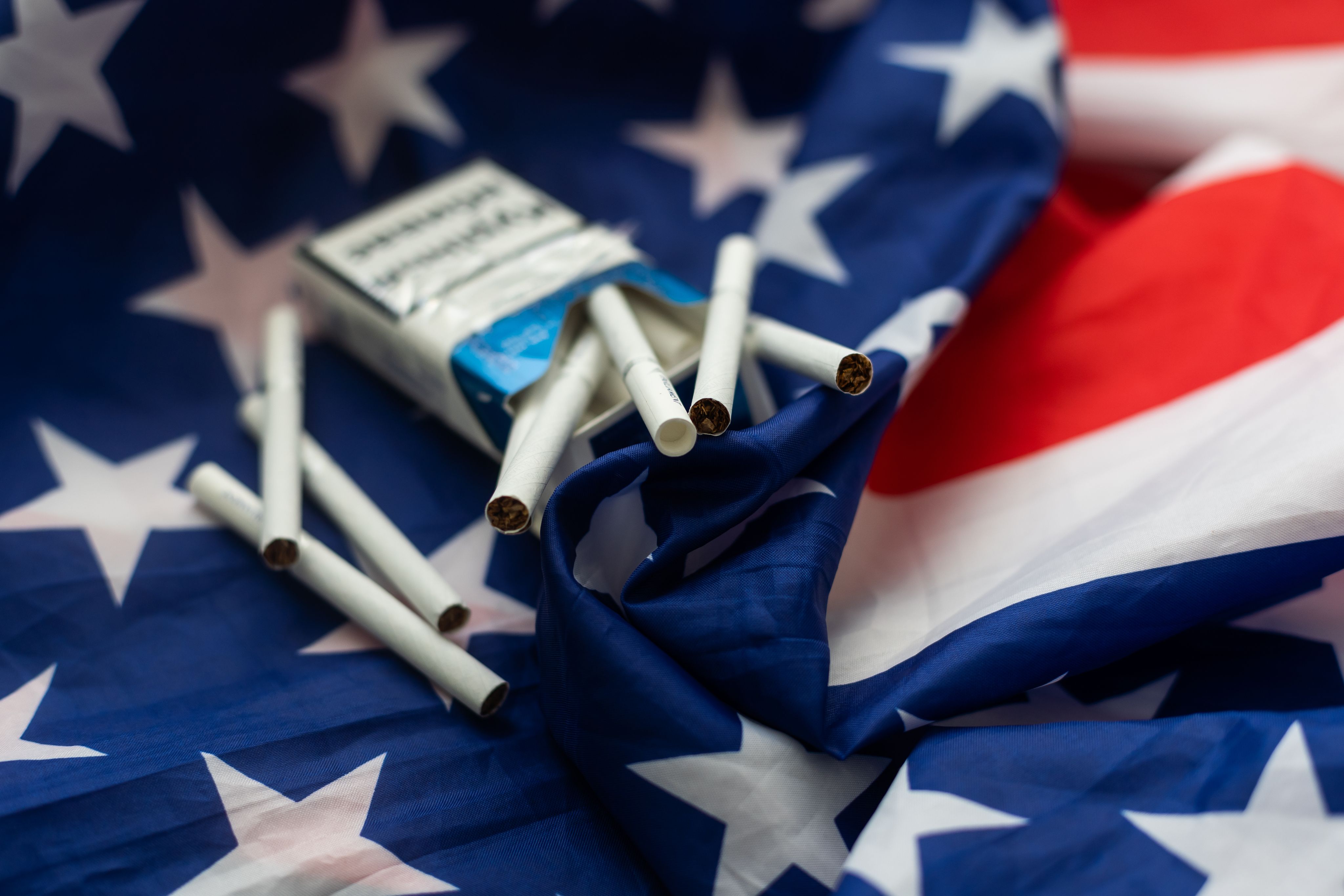
Veterans use tobacco at higher rates than civilians, and smoking remains one of the strongest modifiable risk factors for ED.
Smoking damages blood vessels throughout the body, including the small arteries that supply the penis. Even minor plaque buildup can significantly reduce erectile reliability.
According to the CDC, smoking increases the risk of erectile dysfunction by impairing blood flow and nitric oxide signaling.
Carolyn Salter, M.D., a urologist, notes that lifestyle changes—such as quitting smoking, improving diet, and increasing activity—can meaningfully improve erectile function for many men.
“The blood vessels to the penis are incredibly small—any vascular damage shows up there first.”
Medications and hormonal effects
In some cases, ED isn’t caused by the condition itself, but by the medication used to treat it.
Veterans managing chronic pain may be prescribed opioids, which are known to suppress testosterone with long-term use. Low testosterone can affect libido, energy, and erection quality.
A review in The Journal of Sexual Medicine confirms that chronic opioid use is associated with hypogonadism and higher rates of ED
Sleep medications, antidepressants, and blood pressure drugs can also contribute, especially when used together.
PTSD, sleep, and hormonal disruption
PTSD frequently disrupts sleep through nightmares, hyperarousal, and insomnia. Poor sleep, in turn, lowers testosterone production and interferes with vascular repair.
Research shows that sleep deprivation and sleep apnea are both associated with reduced testosterone levels and increased ED risk.
This creates a reinforcing cycle: stress disrupts sleep, sleep affects hormones, and hormonal changes affect erections.
Seeking treatment and support
ED is a quality-of-life issue, not a personal failure. Many veterans delay seeking help due to embarrassment or the belief that nothing can be done.
In reality, treatment options are broad and often effective. They may include:
- Managing underlying conditions
- Adjusting medications
- Addressing sleep and mental health
- Using mechanical or medical supports
As Dr. Tausch notes, ED is rarely a dead end. For most veterans, options exist—and starting the conversation is the hardest step.

The Takeaway
Veterans face higher rates of chronic conditions that affect erections—not because of weakness, but because of service-related stress, injury, and long-term health changes.
ED is often a signal, not an isolated problem. When physical health, mental health, and lifestyle factors are addressed together, most veterans can improve both sexual function and overall well-being.
No one should have to suffer in silence—and help is available.