
Author: Seth Thomas – 3 min read
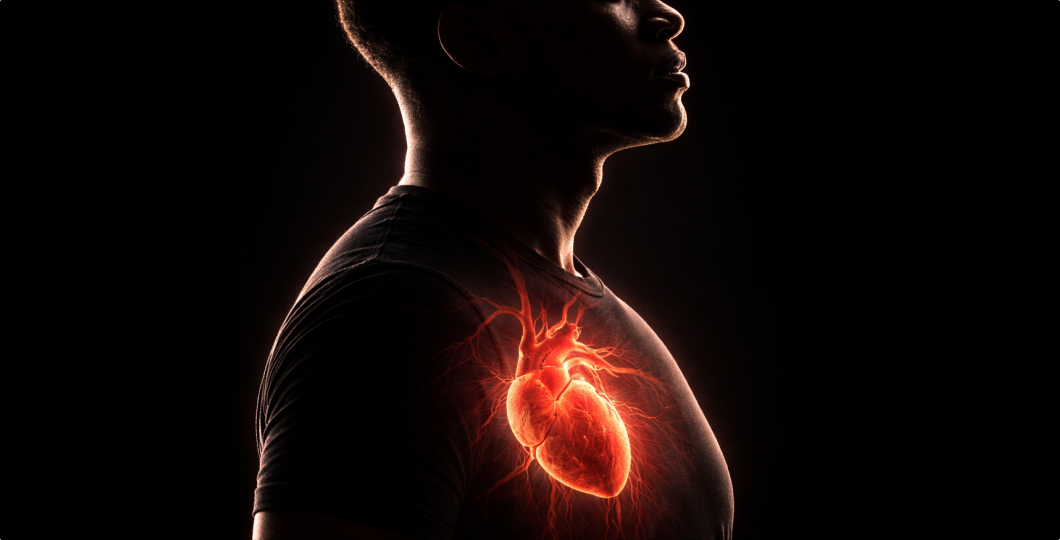
For many veterans, erectile dysfunction (ED) feels sudden and personal. But clinically, it’s often neither. ED is frequently one of the earliest signs that blood flow and vascular health are under strain—long before more obvious symptoms appear.
This connection matters for veterans in particular. Military service is associated with higher rates of cardiovascular risk factors, including hypertension, metabolic syndrome, sleep disorders, and chronic stress. Together, these conditions directly affect the blood vessels responsible for erections.
Why erections depend on vascular health
An erection is a blood-flow event. When arousal occurs, blood vessels supplying the penis widen, allowing increased blood volume to fill erectile tissue. When vascular function is impaired—by narrowed arteries, reduced nitric oxide availability, or endothelial dysfunction—erections become less reliable.
Erectile dysfunction and cardiovascular disease share many of the same underlying mechanisms, including impaired blood vessel function and reduced arterial flexibility. Because penile arteries are smaller than coronary arteries, ED often appears earlier than other cardiovascular symptoms.
“Erectile dysfunction is often the first visible sign of vascular strain.”
Why veterans face elevated risk
Research consistently shows that veterans experience higher rates of cardiovascular disease compared to the general population. Factors contributing to this include:
- Prolonged physical stress
- Sleep disruption and sleep apnea
- PTSD and chronic hyperarousal
- Higher rates of smoking and metabolic conditions
These same factors reduce blood flow efficiency and increase inflammation—both of which interfere with erectile function.
ED as an early warning sign
Clinicians increasingly view ED not just as a sexual health issue, but as a cardiovascular marker.
“What shows up in the bedroom may be signaling something bigger in the bloodstream.
Large-scale studies show that erectile dysfunction often precedes major cardiovascular events by several years, making it a potential early indicator of systemic vascular disease.
For veterans, this window can be critical. Addressing ED early may prompt evaluation and treatment of underlying heart and vascular conditions before more serious outcomes occur.

Blood pressure, cholesterol, and erections
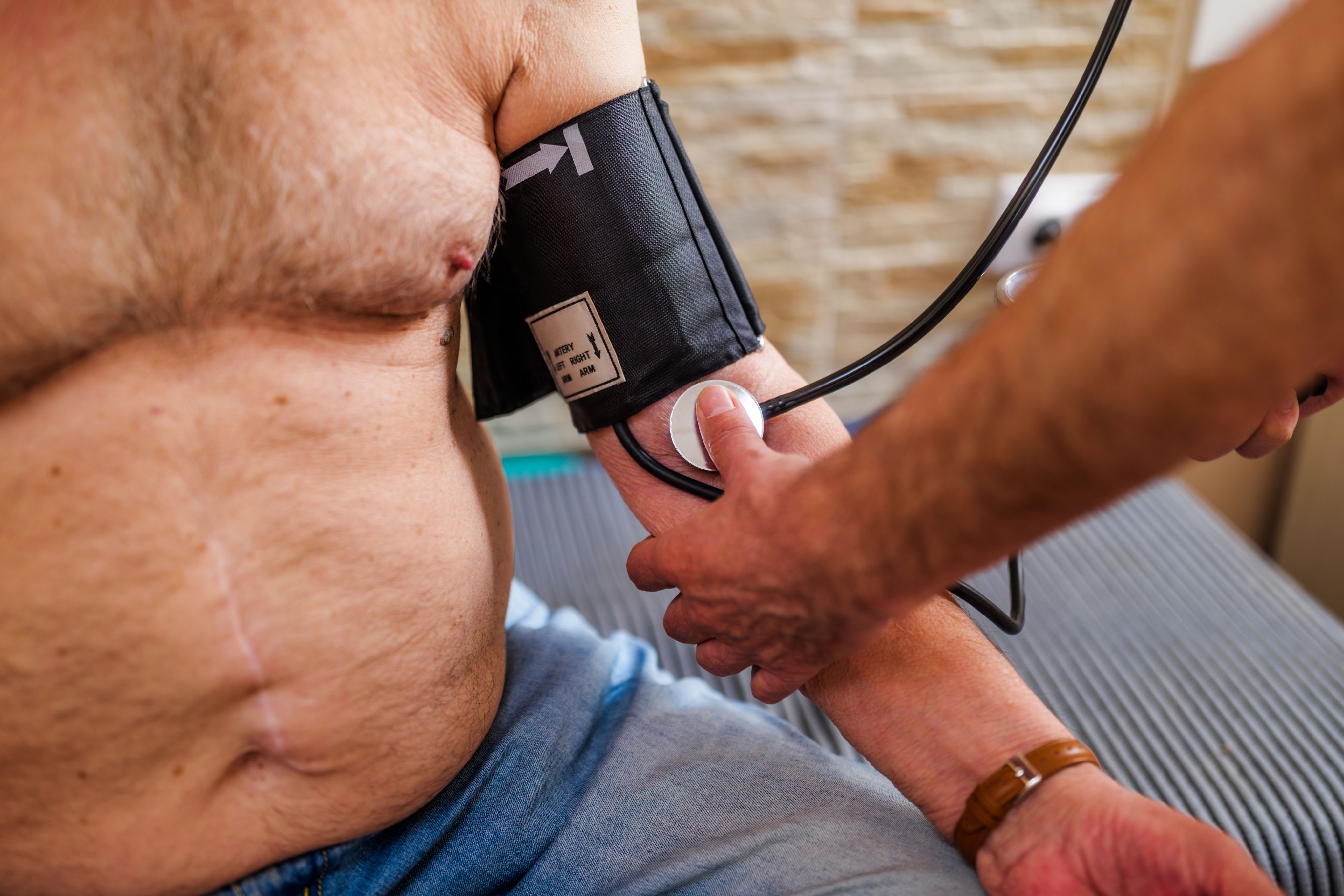
High blood pressure and elevated cholesterol damage the lining of blood vessels, reducing their ability to expand when needed. Over time, this limits blood flow to the penis and increases the likelihood of ED.
The Cleveland Clinic reports that men with hypertension are nearly twice as likely to experience erectile dysfunction compared to those with normal blood pressure.
Medications used to manage cardiovascular conditions can also affect erections—sometimes improving function by restoring vascular health, and other times contributing to ED as a side effect. This is one reason individualized care is essential.
Stress, inflammation, and vascular function
Chronic stress—common among veterans—and inflammation impair nitric oxide signaling and endothelial function, both of which are essential for healthy blood flow and erectile reliability. Nitric oxide is critical for blood vessel dilation and erection quality.
Addressing stress, sleep, and mental health is therefore not separate from treating ED—it’s part of restoring healthy blood flow.
Improving blood flow without medication
For some men, improving vascular health alone leads to meaningful improvements in erections. This may include:
- Managing blood pressure and cholesterol
- Treating sleep apnea
- Increasing physical activity
- Reducing smoking and alcohol use
- Addressing PTSD and chronic stress
In other cases, non-drug mechanical supports or devices can help maintain erections by supporting blood retention once arousal occurs—reducing anxiety and improving confidence while broader health issues are addressed.

The Takeaway
For veterans, erectile dysfunction is often less about aging or desire and more about blood flow, stress, and long-term cardiovascular strain.
ED can be an early signal—one that deserves attention, not dismissal. Addressing heart health, sleep, stress, and vascular function doesn’t just support erections. It supports long-term well-being.
For many men and couples, understanding this connection is the first step toward solutions that feel grounded, effective, and sustainable.