
Author: Seth Thomas – 3 min read
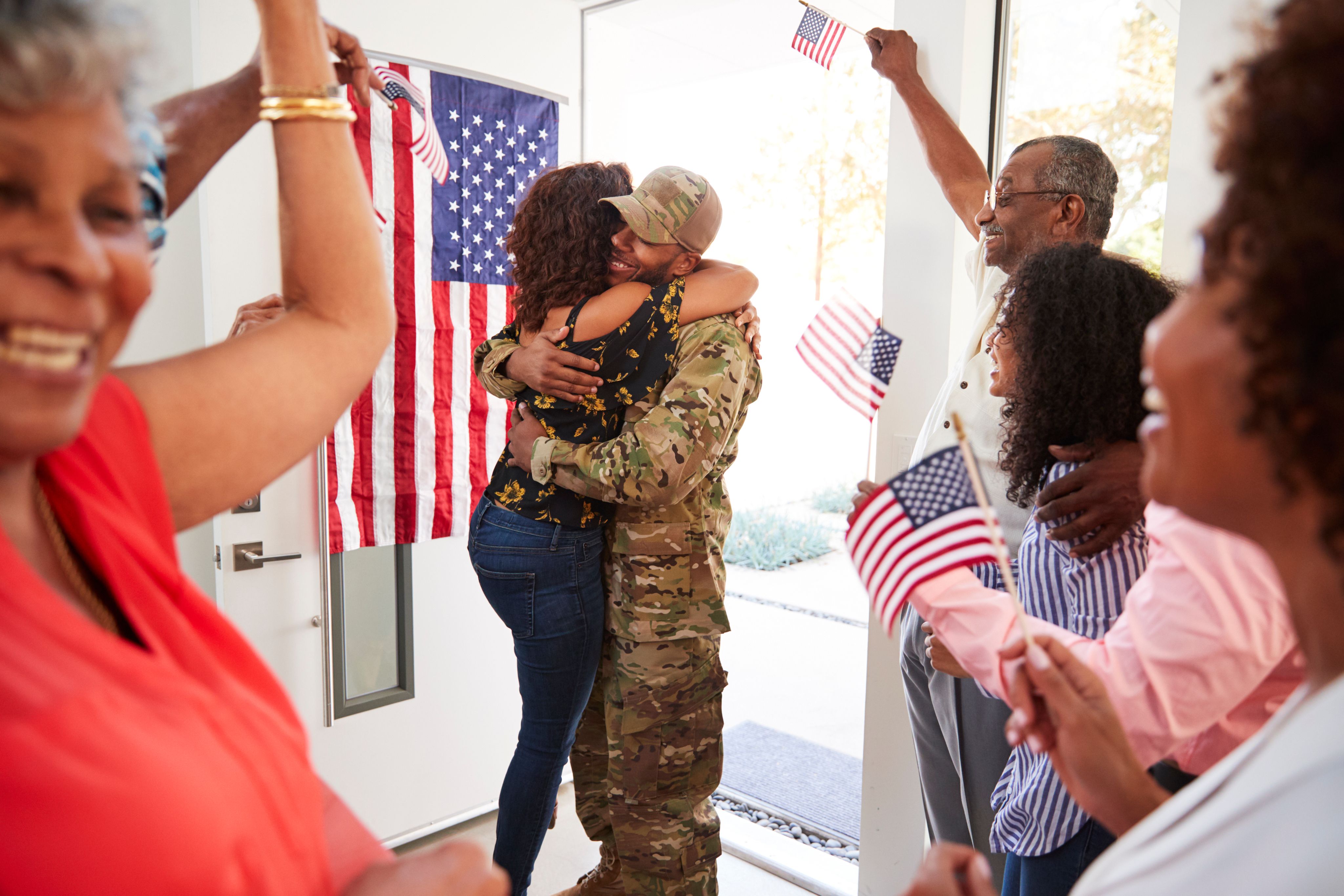
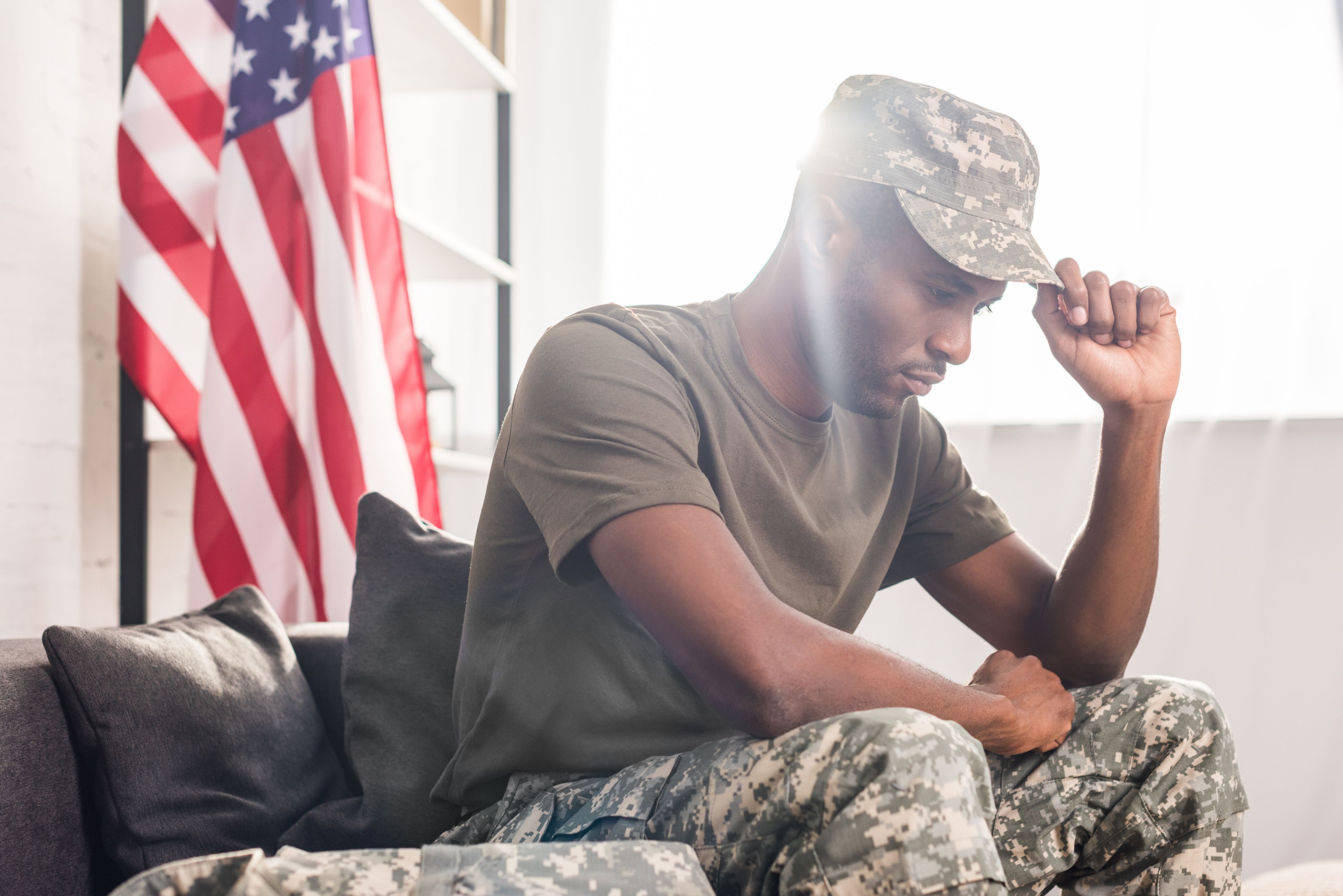
For many veterans, depression and anxiety are not abstract diagnoses. They are lived experiences shaped by deployments, transition stress, disrupted sleep, trauma exposure, and the challenge of reintegrating into civilian life.
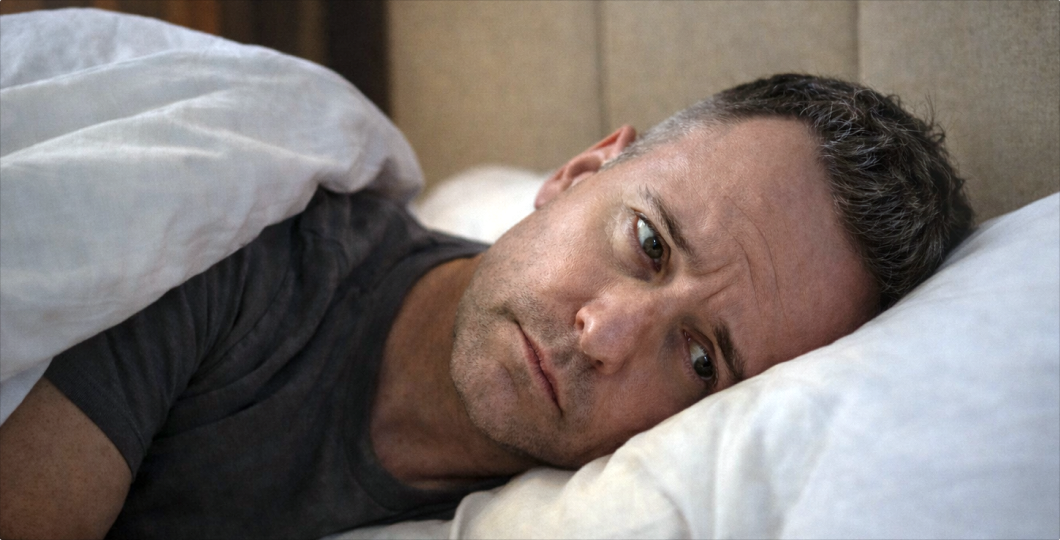
Sexual performance is often one of the first places these pressures surface. Erectile dysfunction (ED) related to mood disorders is common among veterans—and frequently misunderstood by both men and their partners.
Depression after service and sexual response
Depression is more prevalent among veterans than the general population, particularly among those exposed to combat or repeated operational stress. The National Institute of Mental Health notes that depression commonly reduces interest, motivation, and pleasure, including sexual desire, while also lowering energy and concentration.
From a physiological standpoint, depression affects dopamine signaling and increases inflammatory markers, both of which can interfere with arousal and erectile reliability.
For veterans, this often creates a disconnect: desire may still be present emotionally, but the body struggles to respond consistently.
“For many veterans, ED is not about desire—it’s about a nervous system under strain.”
Anxiety, hypervigilance, and performance pressure
Anxiety in veterans often looks different than general worry. It may include hypervigilance, heightened startle response, and constant mental scanning—especially in those with PTSD.
When the nervous system remains in a heightened state of alert, the body prioritizes survival over arousal. Even in safe, loving relationships, erections may falter because the parasympathetic “rest and connect” response never fully activates.
Research published in The Journal of Sexual Medicine shows that anxiety-related ED is particularly common in men without severe vascular disease, underscoring the role of nervous system regulation rather than physical damage alone.
Medications commonly used by veterans
Many veterans are prescribed medications for depression, anxiety, PTSD, chronic pain, or sleep disorders. Selective serotonin reuptake inhibitors (SSRIs), frequently used in VA care, are well known to cause sexual side effects, including reduced libido and erectile difficulty.
Harvard Health Publishing notes that sexual side effects are among the most common reasons patients struggle to stay on antidepressants, even when mood symptoms improve.
This can place veterans in a difficult position: improved mental health at the cost of intimacy. Adjustments, combination approaches, or supportive interventions are often more effective than stopping treatment outright.
The impact on partners and relationships
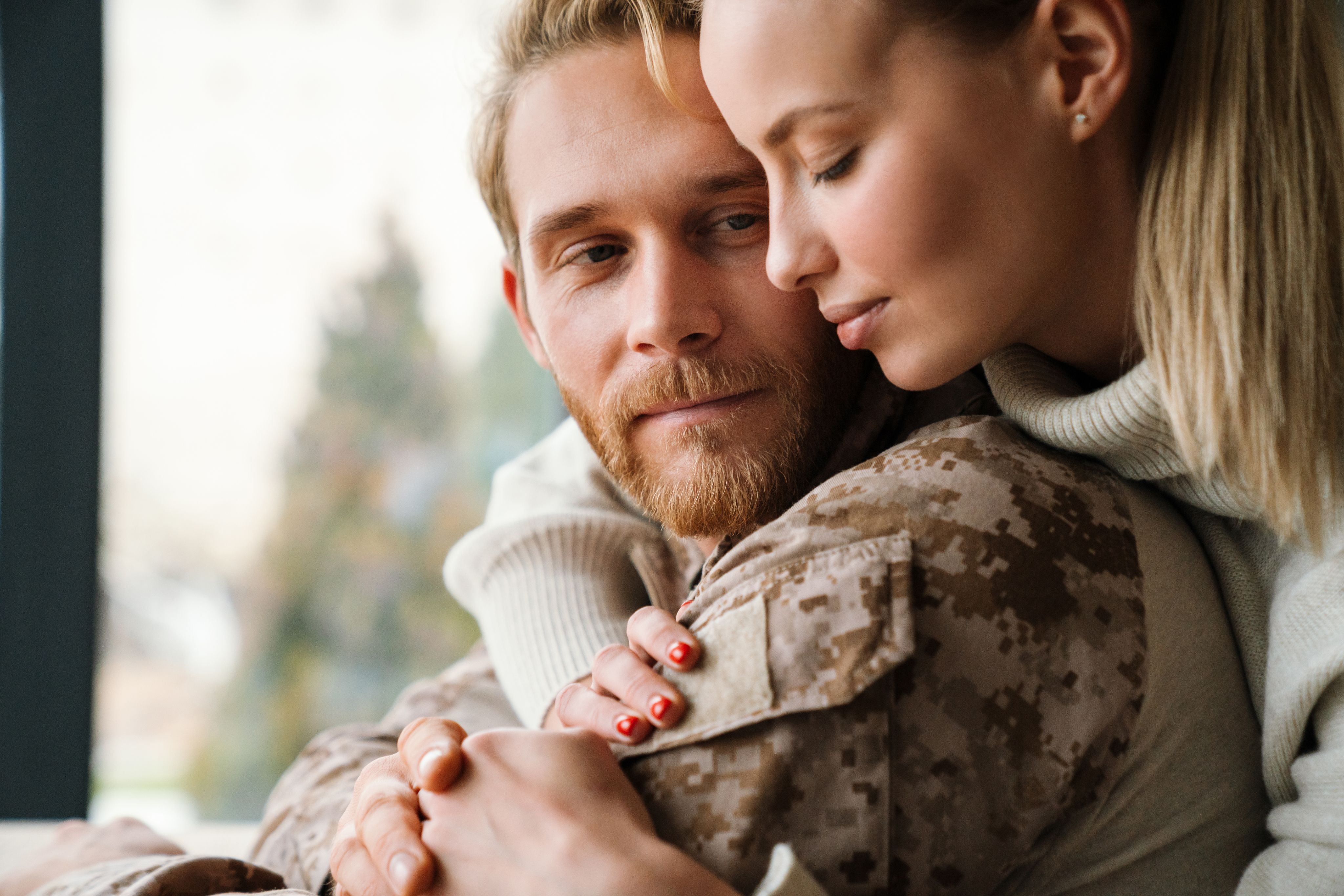
Mood-related ED affects both sides of a relationship. Partners may feel confused, rejected, or unsure how to help, especially when communication around mental health is limited.
The U.S. Department of Veterans Affairs emphasizes that untreated depression and anxiety can strain relationships and reduce both emotional and physical intimacy.
When ED is framed as a shared challenge rather than a personal failure, couples are more likely to stay connected during recovery.
“When mental health struggles go unspoken, intimacy often carries the weight.”
Supporting sexual performance alongside mental health care
For veterans, improving sexual performance often requires addressing more than one layer:
- Treating depression or anxiety
- Reducing hypervigilance and performance pressure
- Evaluating medication side effects
- Improving sleep and stress regulation
In some cases, non-drug mechanical supports can reduce anxiety around reliability during intimacy, allowing mental health treatment to progress without added pressure in the bedroom.
The Takeaway
For veterans, depression and anxiety are not isolated mental health issues. They affect the nervous system, hormones, relationships, and sexual performance.
ED in this context is not weakness or loss of desire. It is often a sign that the body has been carrying too much for too long.
With appropriate mental health care, open communication, and supportive tools, many veterans and their partners find that both intimacy and emotional well-being can recover—together.