
Author: Seth Thomas – 3 min read
For many veterans, erectile dysfunction (ED) doesn’t start with aging or loss of attraction. It starts in the medicine cabinet.
Medications prescribed for depression, anxiety, chronic pain, heart disease, sleep problems, and prostate health are essential for managing post-service health. But some of these same medications can interfere with libido, arousal, or erection reliability. When that happens, ED can feel confusing—or personal—when it’s actually pharmacological.
Why medications can affect erections
Erections rely on a coordinated effort between blood flow, nerve signaling, hormones, and the nervous system. Medications that alter any of these systems may also affect sexual function.
According to the Mayo Clinic, ED is a common side effect of several widely prescribed drug classes, particularly those that affect blood pressure, brain chemistry, or hormone balance.
For veterans—who are more likely to be managing multiple conditions at once—the cumulative effect matters.
“ED is often a side effect—not a failure of desire or effort.”
Antidepressants and anxiety medications
Selective serotonin reuptake inhibitors (SSRIs), commonly prescribed through the VA for depression, anxiety, and PTSD, are well known to cause sexual side effects. These may include reduced libido, delayed ejaculation, and erectile difficulty.
Harvard Health Publishing notes that sexual side effects are among the most common reasons patients struggle to stay on antidepressants, even when mood symptoms improve.
This creates a difficult tradeoff for many veterans: mental health stability at the cost of intimacy. In many cases, dose adjustments, timing changes, or supportive interventions can help without discontinuing treatment.
Opioids and chronic pain medications
Opioids are frequently prescribed for service-related injuries and chronic pain. While effective for pain control, long-term opioid use suppresses testosterone production and interferes with the brain’s arousal pathways.
A study from The National Institutes of Health found that men using chronic opioid therapy had significantly higher rates of ED and low libido compared to non-users.
Lower testosterone can affect energy, mood, and erectile reliability—sometimes gradually enough that the connection isn’t obvious at first.
Blood pressure and heart medications
Medications for hypertension and cardiovascular disease are critical for long-term health, but some may affect erections by altering blood flow or nerve signaling.
“Protecting your heart and protecting intimacy don’t have to be opposing goals.”
The Mayo Clinic notes that certain beta blockers and diuretics are more commonly associated with ED, while other blood pressure medications may have fewer sexual side effects.
Importantly, untreated high blood pressure itself is a major risk factor for ED, so stopping medication without guidance often worsens the problem.

Sleep medications and sedatives
Sleep problems are common among veterans, especially those with PTSD. Sedatives and sleep aids can dampen nervous system responsiveness and reduce arousal signals.
The U.S. Department of Veterans Affairs notes that medications used to treat insomnia can affect sexual function, particularly when combined with antidepressants or pain medications.
Improving sleep quality itself—sometimes with fewer medications—can have downstream benefits for erections.
Hair loss and prostate medications
Medications such as finasteride, used for hair loss or benign prostatic hyperplasia, work by altering hormone conversion. In some men, this can lead to reduced libido or erectile difficulty.
A review published in Endocrine Reviews confirms that altering dihydrotestosterone (DHT) levels can affect sexual function in susceptible individuals.
Not everyone experiences side effects, but awareness helps veterans make informed choices.
What veterans can do next
Medication-related ED does not mean treatment has failed—or that intimacy has to be put on hold.
Productive next steps often include:
- Medication review with a VA provider
- Addressing sleep, stress, and mental health
- Reducing performance pressure
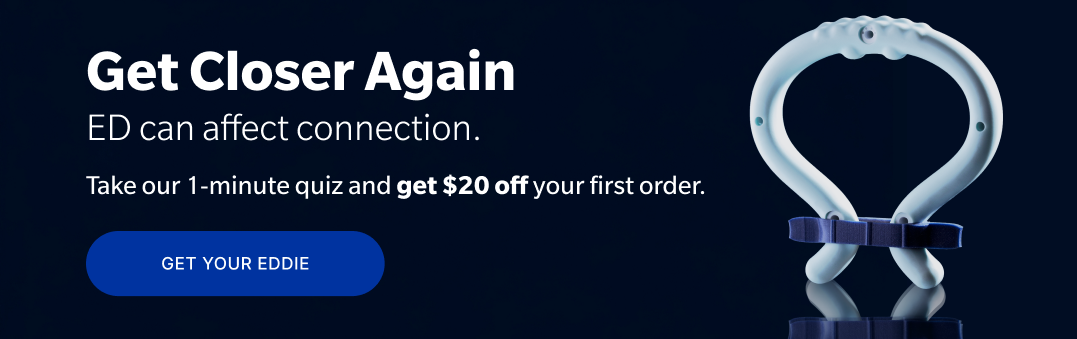
- Considering non-drug mechanical supports to improve reliability during intimacy
For many men, supporting erections mechanically while medical treatment continues can reduce anxiety and help rebuild confidence.

Takeaway
Many medications that support veterans’ long-term health can also affect erections. This is common, manageable, and not a personal shortcoming.
ED related to medication use is often a signal to adjust—not abandon—care. With the right conversations, supportive tools, and coordinated treatment, most veterans can protect both their health and their intimate relationships.